
Late-Discovered Roof Damage and Your Rights in Allentown Claims
Late-discovered roof problems after a storm can turn your life upside down. You might see a brown water spot on the ceiling, a soft spot in the drywall, or shingles in the yard long after the wind and rain have passed. Many people in Allentown do not realize that these issues can still be tied to a covered property damage claim, and that the fallout can also affect their job and ability to work.
In this article, we explain how late-discovered roof damage happens, how property insurance usually treats it, and how a serious roof event can spill into employment issues, ERISA long-term disability claims, and Social Security Disability. Our goal is to give you a clear, simple starting point so you can better understand your rights before you speak with an attorney.
When Spring Storms Reveal Hidden Roof Damage
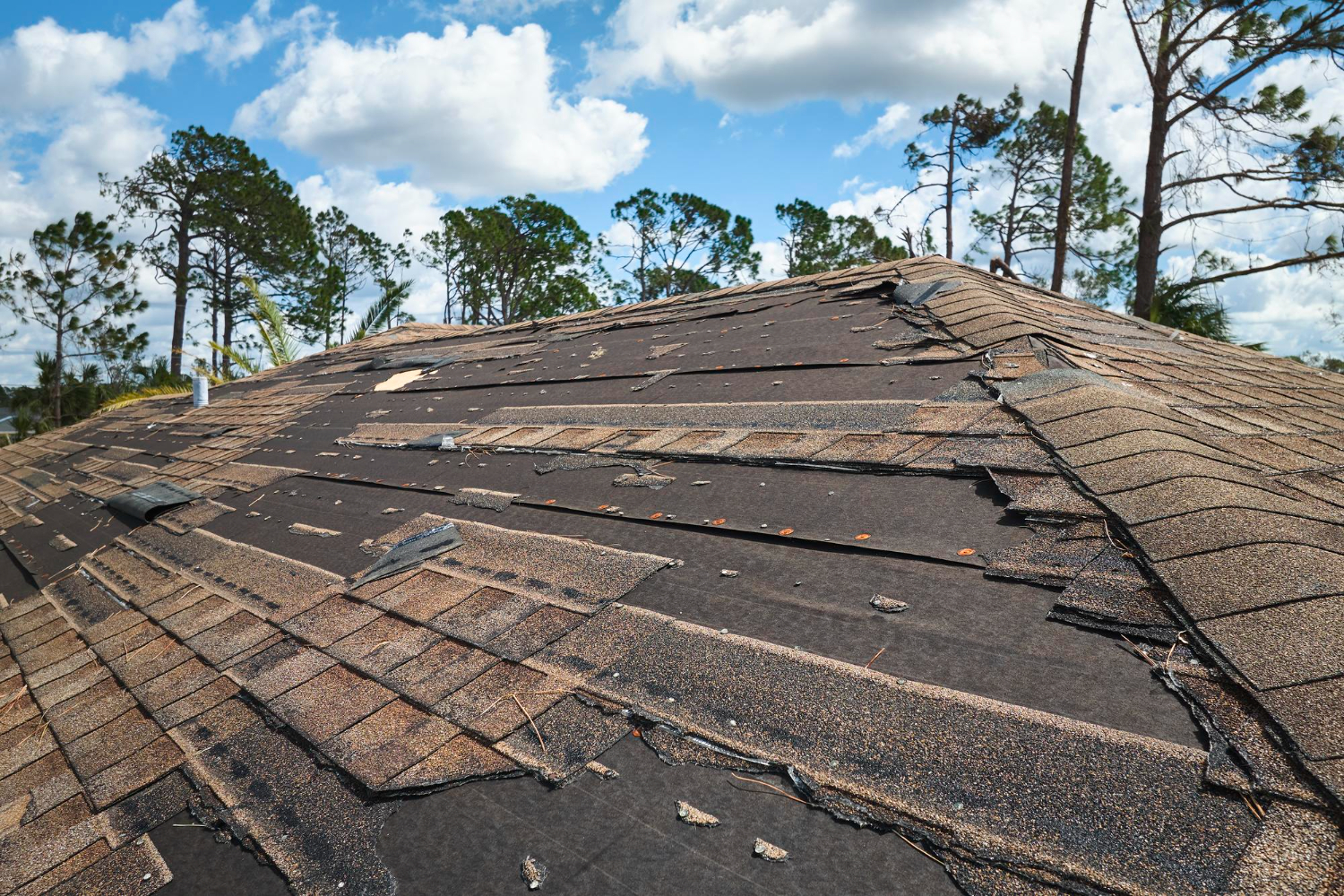
In our area, winter snow and ice can weaken a roof, then heavy spring rain and wind finish the job. Damage is not always dramatic. For example, a roof may develop loose or lifted shingles that let in a slow drip, damaged flashing around chimneys, vents, or skylights, or tiny punctures from flying debris that only leak under certain conditions.
“Late-discovered” roof damage usually means you do not see the problem right away. Instead, you may notice a ceiling stain weeks after a storm, peeling paint or bubbling drywall, a musty smell in one area of the house, or curled shingles or a sagging section of roof long after bad weather.
Insurance companies often argue that if you found the damage late, it must be old or just wear and tear. That is why timing and documentation matter so much. Once you see a sign of damage, taking quick steps helps protect your property by preventing the problem from getting worse, helps protect your insurance claim by showing you acted as soon as you knew, and helps protect your broader rights if the situation leads to time off work or health problems after an accident related to the damage.
Understanding Your Property Insurance Rights in Allentown
Most homeowners and commercial property policies in Allentown have rules about how and when to report roof damage. Policy language can affect late-discovered claims in several ways, including:
- Notice requirements, which often say you must report a loss “promptly” or “as soon as practicable”
- Proof-of-loss deadlines, which set time limits to send in detailed information and documents
- Coverage for “sudden and accidental” damage, as opposed to long-term wear and tear or poor maintenance
The challenge is that a storm event can be sudden, but the visible leak can appear later. Insurers may use that delay to say the roof was already worn out, you did not maintain it properly, or you waited too long to report the issue.
Property damage attorneys in Allentown, PA, can help by reviewing your policy language and comparing it to what actually happened. Helpful documentation often includes:
- Photos and videos of the roof, interior damage, and any temporary repairs
- Reports or estimates from roofing contractors or engineers
- Weather records showing storms around the time the problem likely started
- Copies of all letters, emails, and claim notes from the insurance company
With the right information, an attorney can challenge a denial, push back on a low offer, or correct wrong assumptions about when the damage began.
How Roof Damage Claims Can Affect Your Job and Income
A serious roof problem is not just a home issue. It can spill into your work life in ways you might not expect. For example, you may need time off to:
- Meet adjusters, contractors, and inspectors
- Supervise emergency repairs after a ceiling leak
- Move family members out of unsafe or unhealthy parts of the home
This can lead to conflict at work, especially if you need schedule changes or remote work while dealing with repairs. Some employees face pushback when they ask for short-term flexibility, pressure to come in even when their home is unsafe or flooded, or discipline or retaliation for taking time off to handle a roof-related emergency.
In some cases, you may need legally protected leave. That might apply when roof damage makes your home unsafe for you or a family member with health issues, stress or loss of sleep related to the damage affects a serious medical condition, or you need time away from work to care for an affected family member.
If your employer refuses reasonable options, threatens your job, or punishes you for dealing with a genuine emergency, that can raise employment law questions. An employment attorney who understands how property losses disrupt daily life can help sort out whether your employer’s actions are lawful and what steps might be available.
When Roof Damage Leads to Disability and ERISA Concerns
Sometimes the roof issue itself creates a serious injury. People get hurt when:
- They climb up to do temporary fixes without proper gear
- A ceiling collapses and hits them
- Wet floors or stairs lead to falls during cleanup
Those injuries can lead to long-term physical or mental impairments that keep someone from working. Many workers have long-term disability coverage through their employer. These plans are usually governed by a federal law called ERISA.
Under an ERISA long-term disability plan, benefits may help replace a portion of your income if you cannot work as a result of your medical condition. But ERISA claims have strict rules, including:
- Deadlines for filing the initial claim
- Medical proof requirements
- Internal appeal steps if your claim is denied
What you say on disability forms, to your doctors, and to your employer should be consistent. A law firm that handles both property damage and ERISA-related disability matters can help pull together:
- Medical records and treatment notes
- Incident reports and photos from the roof event
- Statements explaining how the injury limits your daily activities and job tasks
Coordinating these pieces can support both your disability claim and your property damage claim, so nothing important is missed.
Social Security Disability After Roof-Related Injuries
Roof-related injuries or the stress of losing part of your home can also lead to problems that last a long time. Some people develop chronic pain from a serious fall, PTSD or severe anxiety after a ceiling collapse or major loss, or worsening of pre-existing conditions because of the strain and disruption.
In some situations, these conditions may support a Social Security Disability (SSD) claim. To qualify for SSD, you generally must show:
- Your medical condition has lasted, or is expected to last, at least a year
- You cannot engage in substantial gainful activity, meaning you cannot work at a certain level of earnings
- Medical documentation supports your symptoms and shows how they limit your ability to function at work and at home
An attorney experienced in Social Security Disability can help line up the SSD application with any ERISA long-term disability claim and with what is happening at your job. The goal is to avoid conflicts between what you tell different agencies and insurers, meet time limits for appeals, and present a clear picture of how the roof event started a chain of problems that now affect your ability to work.
Taking Your Next Steps After Late-Found Roof Damage
When you discover roof damage weeks or months after a storm, it helps to move in an organized way. A simple checklist includes:
- Take clear photos and videos of all visible damage, inside and out
- Note the date you first noticed the problem and any past storms that may be related
- Notify your insurance company as soon as you reasonably can
- Keep a written log of every call, email, and visit with the insurer and contractors
- Seek medical attention right away if anyone is hurt during inspection or repairs
Late-discovered roof damage touches more than just shingles and drywall. It can affect your insurance coverage, your job, your income, and your health. Property damage attorneys in Allentown, PA who also understand employment protections, ERISA disability plans, and Social Security Disability can help you look at the full picture instead of treating each piece in isolation.
Disclosure:
This website is intended solely for general information. The information presented on this website is not formal legal advice. You should not rely on any general information from any source for making legal decisions. Each legal matter is unique and requires specific attention from a qualified and experienced attorney. Unless you have signed a representation agreement with Saffren & Weinberg, we are not your legal representatives.
Protect Your Property Rights With Experienced Local Counsel
If your home or business has suffered damage, Saffren & Weinberg is ready to step in and protect your interests. Our property damage attorneys in Allentown, PA can evaluate your situation, explain your options, and pursue the compensation you deserve. We handle the legal details so you can focus on getting your life and property back to normal. To discuss your case and next steps, simply contact us today.
Disclosure:
This website is intended solely for general information. The information presented on this website is not formal legal advice. You should not rely on any general information from any source for making legal decisions. Each legal matter is unique and requires specific attention from a qualified and experienced attorney. Unless you have signed a representation agreement with Saffren & Weinberg, we are not your legal representatives.