
Burst Appliance Hoses: Bethlehem Property Loss Claims
A burst appliance hose can send a surprising amount of water into your home in a short time. Water may reach flooring, walls, cabinets, furniture, and nearby rooms before you even notice there is a problem. At Saffren & Weinberg, we understand that hoses connected to washing machines, dishwashers, refrigerators, and water heaters can fail suddenly, even when the appliance seemed to be working normally.
Warning signs may include bulging rubber, cracks, corrosion near connectors, loose fittings, small leaks, or water pooling behind an appliance. You may find the damage after work, in the morning, or during a busy household routine. In Bethlehem, early fall can bring fuller schedules, more appliance use, travel plans, and gatherings, making an unexpected water loss especially disruptive.
Why Appliance Hoses Burst
Appliance hoses wear down over time. Repeated water pressure, heat, vibration, aging materials, and stress at connection points can all contribute to a sudden break or leak.
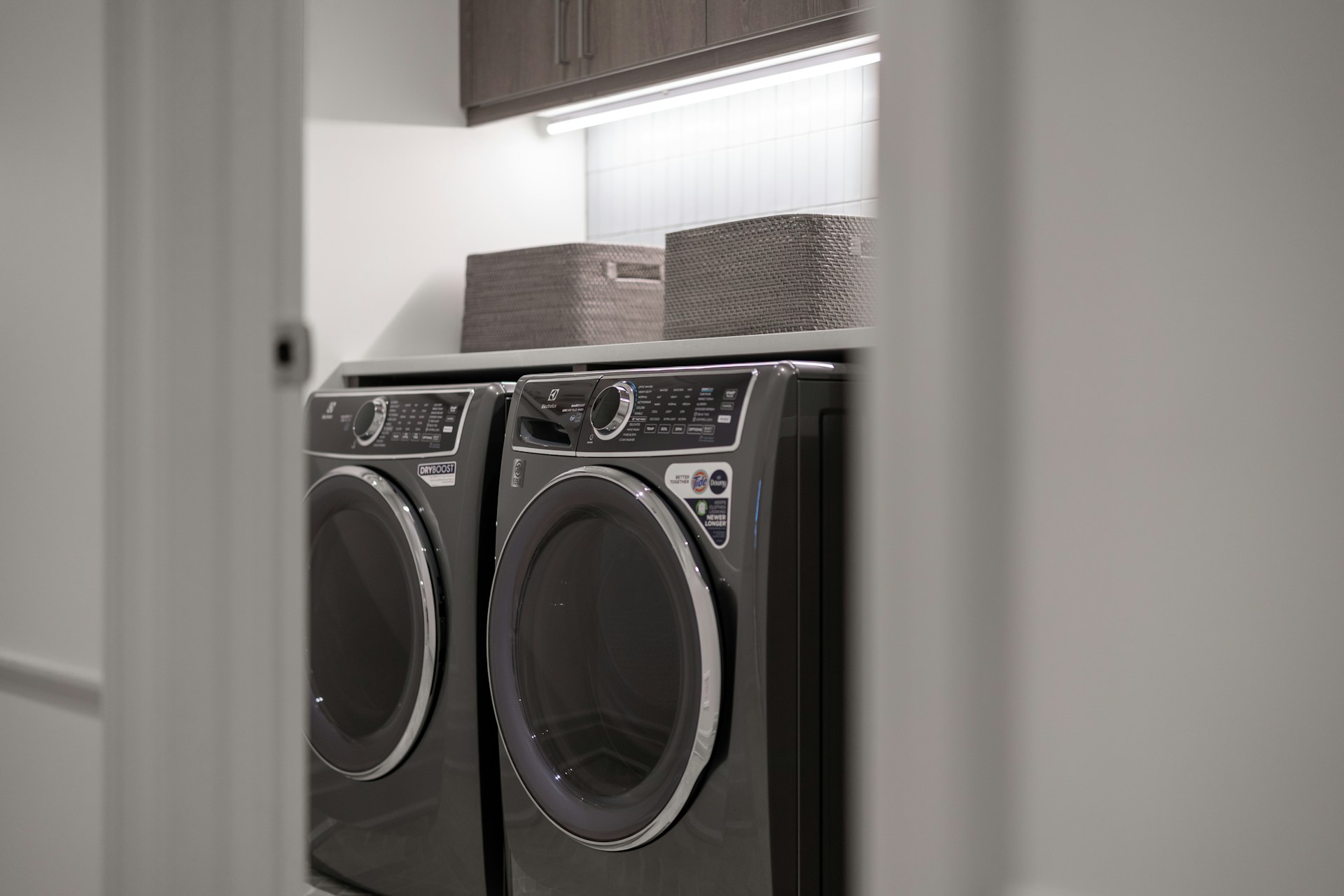
Washing machine supply hoses are a common source of property damage. A hose may weaken while under pressure, or a damaged fitting may let water escape behind the machine. When the laundry area is in a basement, utility room, or enclosed space, water may spread for some time before anyone sees it.
Other appliance connections can cause hidden trouble as well:
- Dishwasher inlet hoses and connections may wear out or loosen.
- Refrigerator water lines can leak behind the unit and affect flooring or cabinets.
- Water heater hoses, valves, and fittings may deteriorate or corrode.
- A small leak may travel into an adjacent room or a lower level before it becomes obvious.
Finding the apparent source is important, but it does not answer every insurance question. An insurer may still look at maintenance concerns, earlier leakage, and when the damage occurred.
Documenting Water Damage After a Hose Failure
Once it is safe to do so, we recommend documenting the scene before major cleanup changes its appearance. Take clear photos and video of the burst hose, the appliance connection, standing water, and every affected area. Include damaged floors, drywall, cabinets, furniture, electronics, and personal belongings.
Keep records that may help show the scope of the loss:
- Photos and videos taken soon after discovery
- Receipts for emergency services and temporary protective measures
- Repair invoices, cleanup estimates, and damaged-item inventories
- Emails, letters, and claim notes from the insurance company
- Dates of phone calls, inspections, and claim updates
Promptly reporting a loss may also matter. Your insurer may request a proof of loss, access to the property, photos, details about the appliance, or an inventory of damaged belongings. We encourage you to keep copies of everything you send and receive.
A property damage attorney in Bethlehem, PA may help review claim concerns when payment is delayed, the proposed amount seems too low, or the insurer disputes part of the damage. Any legal review depends on the facts of the loss and the language in the insurance policy.
Insurance Questions That May Affect Your Claim
Insurance claims involving burst hoses can become more complicated than expected. Coverage may depend on the policy terms, the cause of the water release, the type of property damaged, the deductible, and any exclusions or limits that apply.
One issue can be whether the water damage came from a sudden event or from a problem that developed over time. An insurer may question whether there was gradual deterioration, prior leakage, or deferred maintenance. The difference can matter when the company decides how it will handle the claim.
Another point involves the failed part itself compared with the resulting damage. An insurer may take one position on the cost of replacing a hose or connection and another position on repairing water-damaged flooring, cabinets, walls, or belongings. We suggest reading every written claim decision carefully, especially if it limits repairs or does not explain why part of the loss was denied.
A low estimate, partial denial, unexplained delay, or disagreement about repair scope can leave you with many questions. A property damage attorney in Bethlehem, PA may review policy provisions, insurer correspondence, estimates, and other documentation to assess possible options under Pennsylvania law.
Limiting Further Damage Safely
Safety often comes first after a hose breaks. If you can do so safely, shut off the appliance valve or the home’s main water supply, depending on where the failure occurred. Water near outlets, wiring, or electrical appliances can create added risks, so avoid unsafe contact and seek appropriate emergency assistance when needed.
When it is safe, move rugs, furniture, boxes, and valuables away from the affected area. Avoid throwing away damaged materials or the failed hose before you have photographed them and determined whether the insurer wants to inspect the property or appliance connection. Professional water cleanup and repair support may be appropriate when the damage is widespread or affects building materials.
Understanding Your Bethlehem Property Loss Claim
A burst appliance hose may begin in a small, hidden space, but the resulting water damage can interrupt daily life and lead to difficult claim questions. Preserving the failed hose, documenting affected areas, and keeping clear records of expenses and insurer communications can help you track the loss and understand how the claim is being handled.
Careful records of emergency expenses, temporary protective measures, repair estimates, and insurer communications can help you understand what happened and what the insurance company is addressing. The cause of the failure, the damage it created, the policy language, and the insurer’s response may all shape what happens next.
Guidance for Your Property Loss Claim
Saffren & Weinberg can help you evaluate the details of your appliance hose loss and the insurance issues that may follow. Speak with a property damage attorney in Bethlehem, PA about documentation, policy concerns, and steps to protect your claim. To discuss your circumstances with our team, contact us today.