
Understanding the Impact of Battery Fires on Home Claims
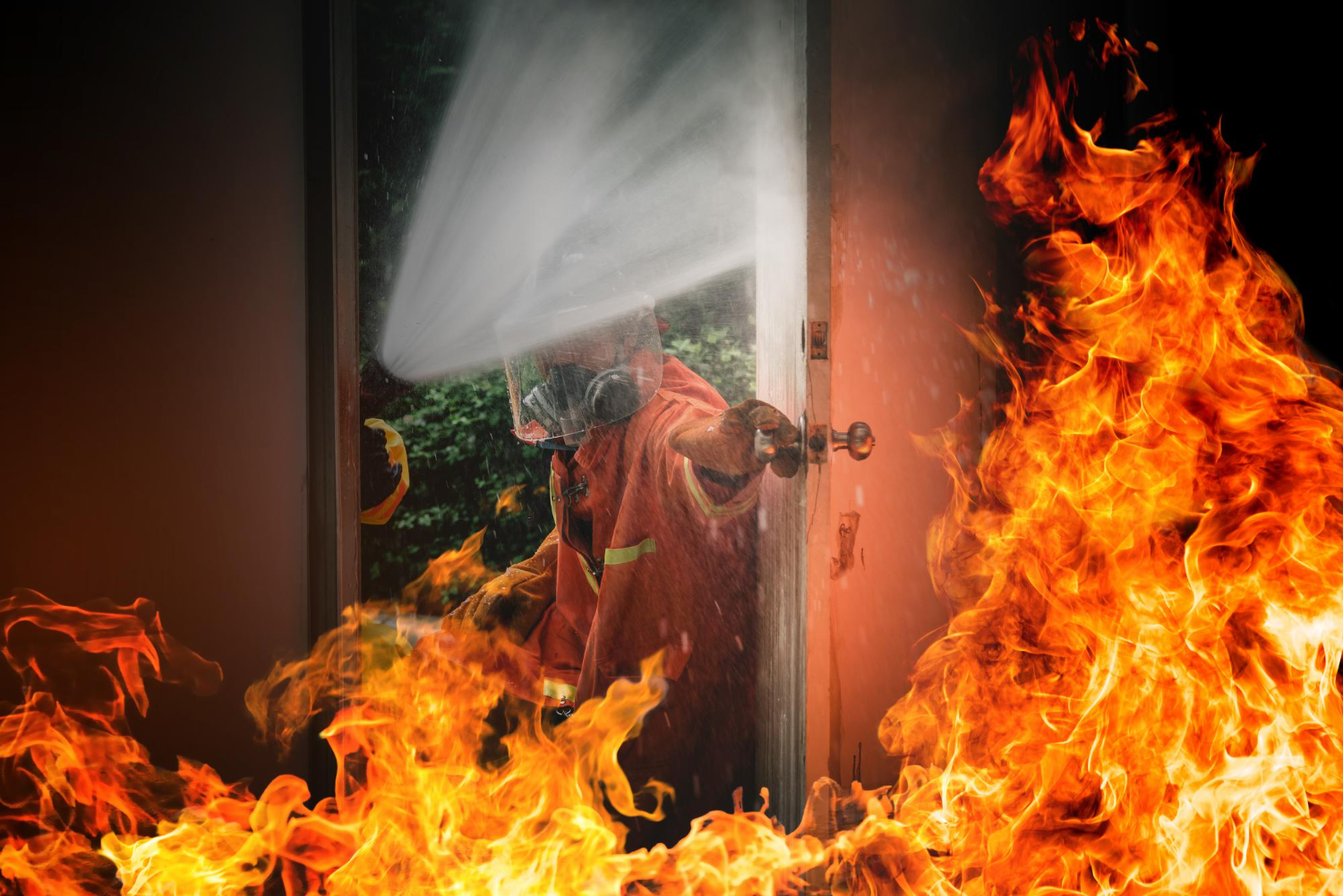
Lithium-ion batteries power many items we use every day, but a battery fire can cause far more damage than a small burn spot. In Allentown homes, fires involving e-bikes, scooters, phones, laptops, power tools, lawn equipment, and portable chargers can spread quickly and leave behind heat, smoke, and water damage.
We often see that the insurance claim becomes difficult when the cause of the fire is unclear or the damage reaches beyond the room where it started. Knowing what to preserve and document can help you better understand the full scope of the loss.
Protect Your Claim After a Battery Fire
Safety comes first. If a battery catches fire or releases smoke, get away from the area and contact emergency services when needed. Lithium-ion batteries can reignite after they appear to be out, and the smoke may spread through rooms, vents, and stored belongings.
Once fire officials say it is safe to enter the property, we recommend documenting what you can before major cleanup begins. Helpful records may include:
- Photos and videos of each damaged room
- A list of damaged personal property
- Fire department reports and claim paperwork
- Receipts for emergency services, temporary protection, or damaged items
Avoid throwing away the battery, charger, cords, or damaged device right away. Those items may matter if the insurance company questions how the fire began. When an insurer disputes the cause, delays payment, or offers an amount that does not appear to cover needed work, a careful review of the claim may be appropriate.
Battery Failures Can Make Fire Causes Harder to Prove
A battery fire may start for several reasons. Possible concerns include a damaged battery being charged, an incompatible charger, overheating, water exposure, physical impact, poor-quality replacement parts, or charging equipment placed close to combustible materials.
Unlike a cooking fire or a clear wiring issue, the source of a battery fire may be badly burned or moved during firefighting. Insurers may look at whether the fire involved a product defect, household wiring, a charging setup, prior battery damage, or another cause. That investigation can lead to many questions about where the device was stored, how it was charged, when it was purchased, and whether it had shown prior problems.
During those conversations, accuracy matters. We encourage you to keep communications organized and avoid guessing about facts you do not know. Save letters, emails, inspection notices, and notes from phone calls. A request for information is not automatically a denial, but unclear or changing explanations deserve close attention.
Smoke and Water Damage Can Expand the Loss
The visible fire area may be only one part of the claim. Battery fires can create thick smoke that reaches walls, ceilings, floors, insulation, furniture, clothing, electronics, and personal belongings in other rooms. Heat may also affect wiring, windows, appliances, and nearby building materials, even when flames stayed in one location.
Firefighting efforts can create another category of damage. Water used to put out a fire may affect drywall, flooring, cabinets, electrical systems, and household contents. Rather than treating the event as a claim for one burned device, we recommend recording each type of damage separately.
That record may include:
- Fire and heat damage
- Smoke damage to surfaces and belongings
- Water damage from fire suppression efforts
- Emergency mitigation and temporary protection work
- Personal property that needs cleaning, repair, or replacement
Careful review can help determine whether an estimate addresses all covered categories of damage. What coverage applies depends on the policy language and the facts of the individual claim.
Policy Terms and Device Use May Receive Extra Attention
Insurance companies may review whether the damaged item was personal property, part of the home, located in a detached structure, or connected to a side business. They may also examine deductibles, coverage limits, exclusions, and endorsements.
E-bikes, scooters, rechargeable tools, and lawn equipment can raise questions about where the item was kept and how it was charged. Early fall can be a time when outdoor equipment is moved into garages, basements, or storage areas. Clear records about the device and its condition may reduce confusion if a fire occurs.
Keep copies of claim notes, adjuster estimates, repair proposals, and written explanations for any payment delay or coverage decision. If an inspection happens, make a note of the date, who attended, and what areas were reviewed.
Preserve Evidence Before Repairs Change the Scene
Emergency work may be needed to protect the home from further damage, such as securing openings or preventing rain from entering. We recommend keeping emergency repairs separate from permanent repair work in your records. Before-and-after photos and saved invoices can show why immediate steps were necessary.
When possible, preserve evidence connected to the battery fire, including packaging, serial numbers, manuals, receipts, charging equipment, outlets, cords, and recall notices. Do not delay reasonable protective measures just to preserve a damaged scene, but document conditions as thoroughly as safety allows.
Concerns involving delayed inspections, disputed repairs, undervalued contents, or denied coverage may warrant close review. Keeping complete records gives you a clearer basis for reviewing the insurer’s position.
Take Informed Steps After a Lithium-Ion Fire
Report the loss promptly, follow reasonable policy requirements, and keep copies of everything sent to the insurance company. A simple timeline can help track the fire date, emergency response, insurer contact, mitigation work, inspections, and repair estimates.
Do not assume an initial estimate reflects every fire, smoke, heat, and water-related loss. Comparing the estimate to the actual condition of the home, including affected belongings and nearby rooms, can help identify missing items or incomplete repair work.
Careful documentation, prompt protective measures, and a complete review of all affected areas can help ensure the claim reflects the full scope of a lithium-ion battery fire loss.
Protect Your Right to a Complete Recovery
Saffren & Weinberg can help you assess whether an insurer has fully accounted for the damage and policy benefits involved in your loss. Speak with a home property damage lawyer in Allentown, PA about questions involving coverage, valuation, or a disputed claim. To discuss your circumstances with our team, contact us today.
Disclosure:
This website is intended solely for general information. The information presented on this website is not formal legal advice. You should not rely on any general information from any source for making legal decisions. Each legal matter is unique and requires specific attention from a qualified and experienced attorney. Unless you have signed a representation agreement with Saffren & Weinberg, we are not your legal representatives.