
Protecting Your Car After a Crash With No Coverage
A crash is stressful enough. Finding out the other driver has no insurance or not nearly enough to cover your car damage can turn that stress into anger and confusion. This happens more than people expect, especially around busy summer weekends when traffic picks up.
In those moments, most people are asking the same questions: Who pays for my car? How do I get it fixed? What if I cannot get to work or medical appointments now? In this article, we focus on property damage to your vehicle, not physical injury, and how an auto property damage attorney can help you understand your coverage, gather proof, and sort through repair or total loss choices when the other driver is uninsured or underinsured.
Understanding Uninsured and Underinsured Property Coverage
Auto insurance language is confusing, especially when you are trying to read a policy right after a crash. It helps to break down the main types of coverage that affect property damage.
Most Pennsylvania drivers see these on their policy:
- Liability coverage: This usually pays for damage you cause to someone else’s car or property.
- Collision coverage: This is through your own insurer and can pay to fix or replace your car after a crash, no matter who was at fault, up to your limits.
- Uninsured motorist property damage (UMPD): This can help when the at-fault driver has no insurance at all.
- Underinsured motorist property damage (UIMPD): This can help when the other driver’s insurance is too low to cover your losses.
Important details are often buried in the fine print, such as:
- Deductibles and how much you must pay out of pocket before coverage kicks in
- Actual cash value, which is what your car is worth at the time of the crash, not what you paid for it
- Total loss rules, including how your insurer decides your car is not worth fixing
- Whether you can pick your own repair shop or must use a “preferred” one
Insurance delays and low offers can also spill into other parts of life. If your only car is in a shop lot or declared a total loss, you may struggle to get to work, attend HR meetings, or keep medical and therapy appointments. When we look at a situation, we often consider how your auto property claim, employment issues, and possible Social Security Disability or ERISA-governed disability benefits connect.
What to Do Immediately After a Crash With an Uninsured Driver
Right after a crash, safety comes first. Once everyone is safe, the steps you take can make a big difference in your property damage claim, especially if the other driver has no coverage.
Try to do the following if you can:
- Call the police so there is an official report of what happened
- Get the other driver’s name, license plate, and contact information, even if they say they have no insurance
- Ask for contact details from any witnesses who saw the crash
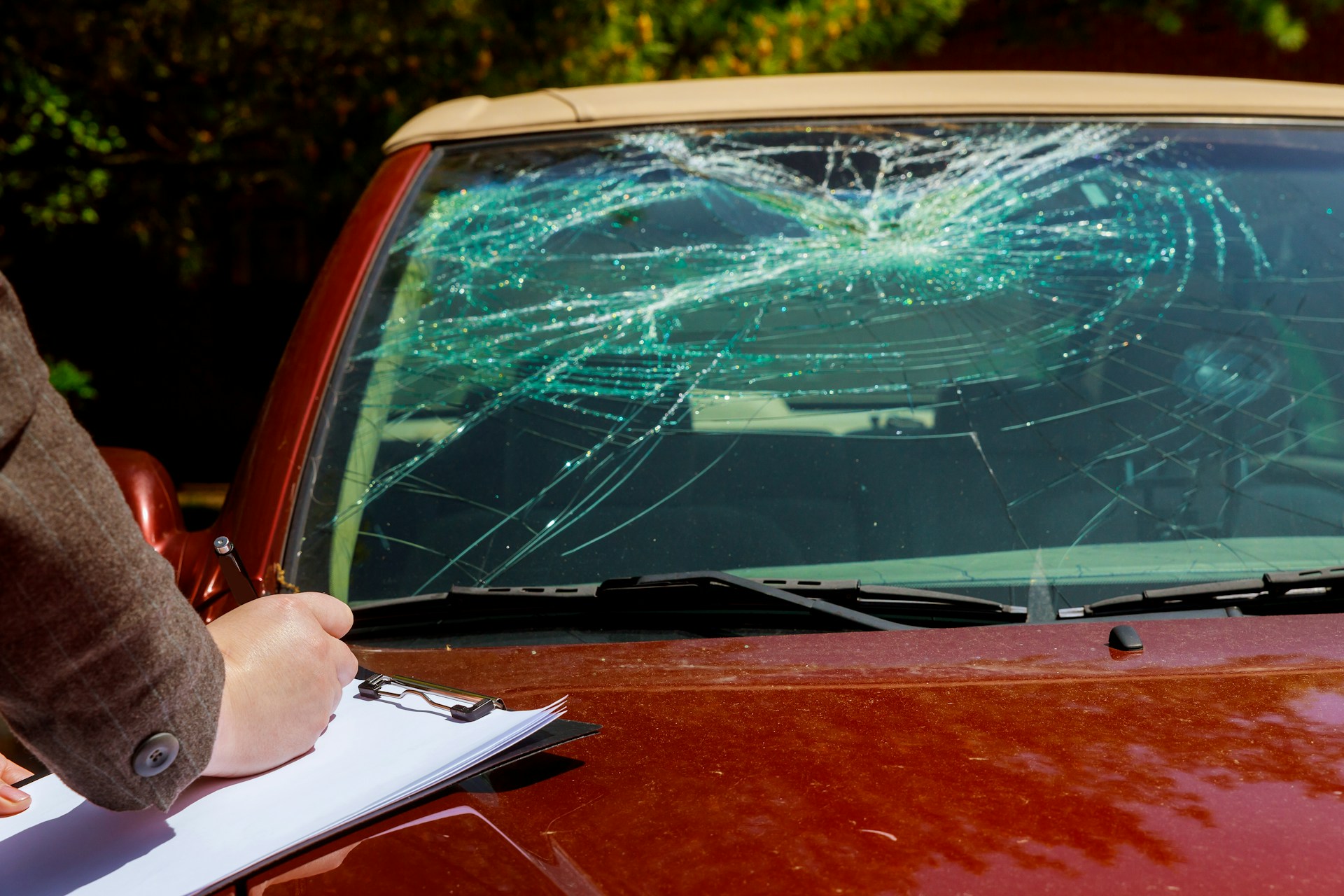
- Take photos of all visible damage to every vehicle, skid marks, road signs, and anything else that may matter
A police report can be very helpful for your own insurer when you file an uninsured or underinsured property claim. It can help show who was at fault and lock in key details while memories are fresh.
Good early documentation can also support:
- Future employment issues, for example if you are written up for missing work because your car was disabled
- Disability claims, if the crash makes an existing condition worse or contributes to a new, disabling condition that later leads to Social Security Disability or ERISA plan claims
Proving Property Damage and Dealing With Your Insurer
Once the dust settles, your own insurance company usually wants proof of the damage and the car’s condition before the crash. This often includes:
- Body shop repair estimates or electronic appraisals
- Photos of the damage from different angles
- Tow bills, storage invoices, and rental records if you have rental coverage
- Proof of mileage and prior condition, like service records or inspection reports
Disagreements often arise over things like:
- How much repairs should cost
- Whether your car should be fixed or declared a total loss
- Whether you should be paid for “diminished value” after a serious repair
This is where talking with an auto property damage attorney can help. Policy language can be dense, and some decisions depend on how certain words and limits are read. In our practice, we are often reviewing insurance policies, adjuster notes, and internal guidelines in ERISA disability benefit disputes. Those same skills carry over into auto property damage disputes, because both involve holding insurance companies to the terms of their own documents.
Repair, Total Loss, and Financial Tradeoffs
When your insurer finishes its review, you are usually faced with two paths: repair the car or accept a total loss payout. Both options involve tradeoffs that go beyond the numbers on a check.
Repairing your car can mean:
- You keep a familiar vehicle
- Having time off the road while it is in the shop
- Dealing with possible part delays and backlogged body shops, especially in busy summer months
- Short rental coverage that might end before repairs are done
Accepting a total loss payout can mean:
- You get a single payment based on the car’s actual cash value
- You need to find a replacement vehicle, which can also be slow if inventory is tight
- You may have out-of-pocket costs if loan balances or leases are higher than what the insurer pays
Delays in either path can affect your job and health. You may need to adjust your schedule, ask for telework, or arrange new ways to reach medical providers who are helping with Social Security Disability or ERISA disability claims. If an insurer’s total loss number seems too low, it may be worth getting an independent appraisal or having a lawyer review the valuation method and any supporting data.
We often look at how your transportation needs, income, and medical care fit together, so your property damage choices do not undercut your work position or future disability benefits.
When Property Damage Collides With Work and Disability Rights
A badly damaged or totaled car can snowball into problems at work. Common situations include:
- Schedule changes that are denied even though your commute has gotten harder
- Telework requests that are brushed off even when they are reasonable
- Attendance write-ups when you are late or absent because public transit or rides are not reliable
- Job loss when an employer refuses to work with you on a short-term transportation setback
At the same time, a serious crash can trigger new medical problems or make old ones worse. That can lead to:
- Social Security Disability claims when you can no longer work full time
- Long-term disability claims through an employer plan, often governed by ERISA
- Confusing requests from insurance companies for records, forms, and independent medical exams
When property damage, employment issues, and disability benefits all hit at once, it helps to have one law firm look at the full picture. At Saffren & Weinberg, we handle property damage, employment law, and Social Security Disability matters, including ERISA-related disability benefit disputes, so we can help you think through how each piece affects the others.
Protect Your Rights And Start Your Recovery Today
If your vehicle has been damaged in a crash, you should not have to navigate insurance and repair issues alone. Our experienced auto property damage attorney in Allentown, PA can help you pursue fair compensation for repairs, diminished value, and any related losses. At Saffren & Weinberg, we take the time to understand what happened and explain your options in clear terms. To schedule a confidential consultation, please contact us today.
Disclosure:
This website is intended solely for general information. The information presented on this website is not formal legal advice. You should not rely on any general information from any source for making legal decisions. Each legal matter is unique and requires specific attention from a qualified and experienced attorney. Unless you have signed a representation agreement with Saffren & Weinberg, we are not your legal representatives.